Rough Brown Leather Texture: A Designer's Essential Asset
There's a reason certain textures feel timeless. A well-worn leather surface communicates history, durability, and authenticity without saying a word. Rough Brown Leather Texture Backgrounds capture that exact essence—a rich, tactile quality that brings depth and character to any project. Whether you're designing a vintage brand identity, crafting social media graphics, or building a website with rustic appeal, this texture delivers immediate visual weight.
Understanding the Visual Character
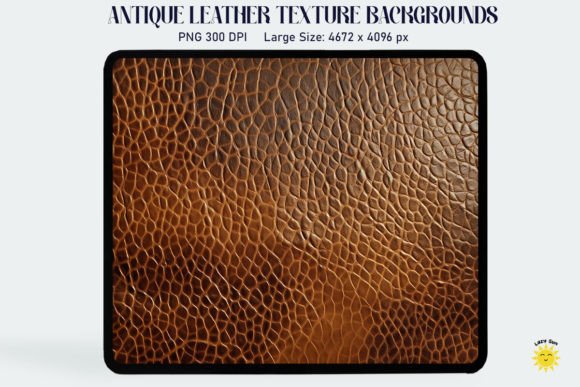
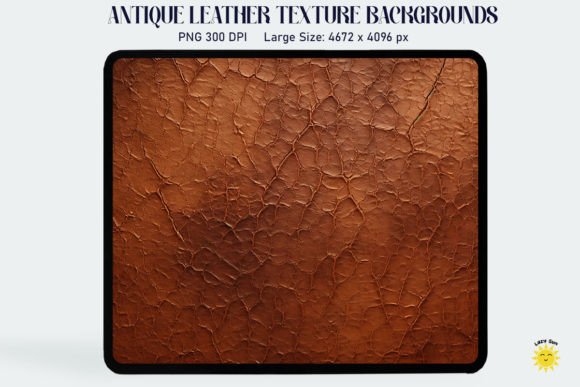
What makes this particular texture stand out? It's the combination of surface detail and color variation. The rough brown leather shows natural grain patterns, subtle cracks, and gentle wear marks that tell a story. Unlike flat, uniform backgrounds, it offers visual interest that draws the eye without overwhelming your content. The brown tones range from warm caramel to deep espresso, creating a versatile palette that pairs beautifully with both light and dark design elements.
The personality here leans toward the vintage and rugged. This isn't a sleek, modern texture—it's something with history. Think antique leather-bound books, well-used briefcases, or classic car interiors. That nostalgic quality makes it particularly effective for brands wanting to convey heritage, craftsmanship, or timeless appeal. The distressed edges and weathered surface add authenticity that polished textures simply can't match.
Where This Texture Shines
In practical application, Rough Brown Leather Texture Backgrounds work exceptionally well across several categories. For branding and logo design, it provides a sophisticated backdrop that elevates typography and graphics. Imagine a coffee shop menu, a whiskey bottle label, or a boutique clothing tag—the texture immediately establishes a premium, artisanal feel.
Publishing and editorial projects benefit equally. Book covers, magazine layouts, and invitation designs gain depth and dimension. The texture serves as an excellent background for wedding stationery, especially for rustic, vintage, or bohemian themes. It frames text beautifully without competing for attention when used thoughtfully.
Digital applications are equally strong. Website headers, social media banners, and email templates gain instant visual interest. The high resolution at 300 DPI ensures crisp display across screens, while the generous dimensions (4672 x 4096 pixels) allow for flexible cropping and resizing. For content creators and bloggers, it offers a consistent visual element that strengthens brand recognition across platforms.
Practical Implementation Tips
When working with this texture, consider your typography carefully. Clean, sans-serif fonts often create the strongest contrast against the organic leather surface, improving readability. However, vintage-style serif fonts or elegant script typefaces can complement the texture's character when used for headlines or accent text. The key is balance—let the texture support your message rather than compete with it.
Color pairing deserves attention too. Cream, ivory, and soft gold tones harmonize naturally with the brown leather, creating warm, inviting compositions. For higher contrast, deep burgundy, forest green, or navy blue work beautifully. White text pops cleanly, but consider adding subtle shadows or outlines if readability becomes challenging on lighter texture areas.
Remember that this is a digital product delivered as a ZIP file. Ensure you're comfortable extracting files on your device before purchasing. While the texture isn't layered for cutting machines, it's perfectly suited for print projects, digital design, and craft applications where a realistic leather background enhances the final product.
Final Thoughts on Texture Selection
Choosing the right background texture often makes or breaks a design. Rough Brown Leather Texture Backgrounds offer that rare combination of versatility and distinctiveness. They work for commercial projects, personal crafts, and everything between. The antique leather aesthetic transcends trends, making it a smart long-term addition to any designer's asset library.
Before finalizing your choice, test the texture with your specific project elements. Resize it, adjust opacity if needed, and see how it interacts with your typography and graphics. Good design is about cohesion, and this texture provides a reliable foundation that supports rather than dominates your creative vision.
For designers, entrepreneurs, and creators seeking a textured background with genuine character, this collection delivers. It's not just another digital asset—it's a tool for building visual stories that resonate with audiences who appreciate quality and authenticity.